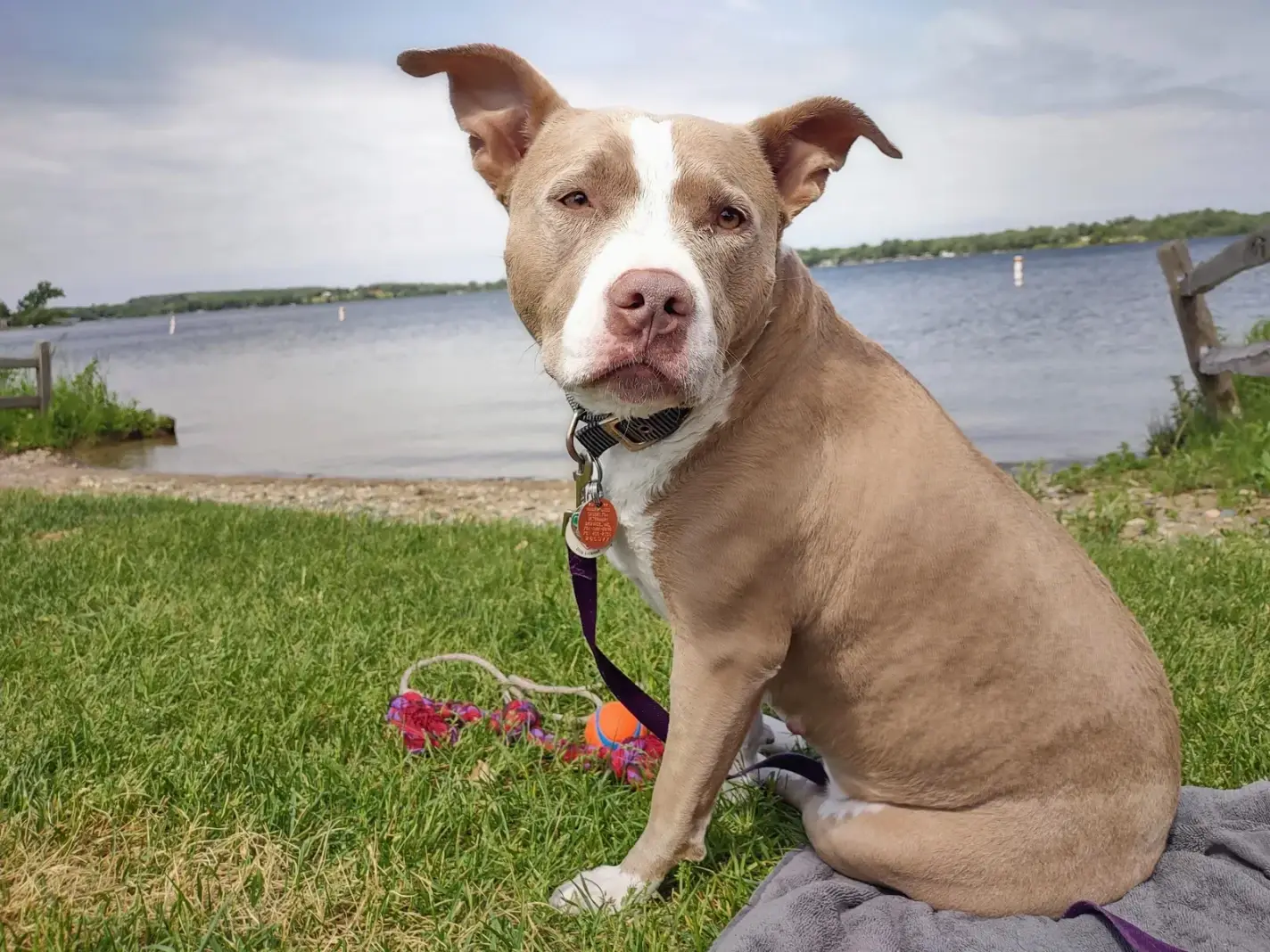
 My Girl Millie
Mast Cell Tumor
Not veterinary advice. This page shares our experience with Millie. It is not veterinary advice. Talk to your own vet about your dog's health and treatment.
What is a dog mast cell tumor?
Mast cell tumors (MCTs) are a common type of skin cancer in canines, though a dog mast cell tumor can occasionally develop in other areas of the body. These tumors originate from mast cells—a specific white blood cell responsible for managing inflammation and allergic reactions.
Symptoms and Diagnosis:
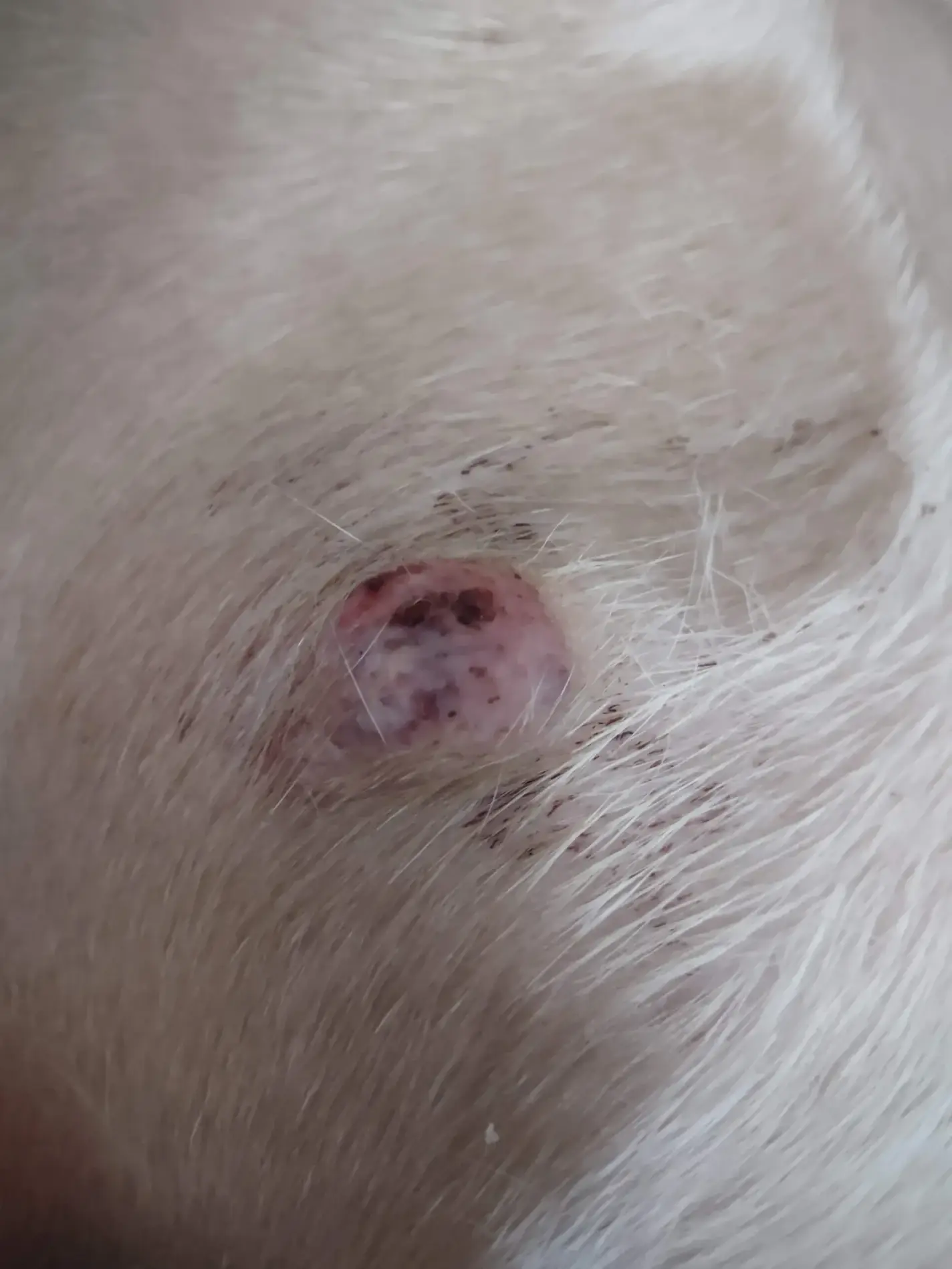
- Appearance: A dog mast cell tumor can appear as lumps or bumps on the skin. They may be single or multiple, and their appearance can range from benign-looking nodules to more aggressive, ulcerated lesions.
- Location: They can be found anywhere on the skin or, less commonly, in internal organs such as the spleen or liver.
- Symptoms: Besides visible lumps, dogs with a dog mast cell tumor may show signs of discomfort, such as itching or swelling around the area. Some MCTs may cause systemic symptoms like vomiting or loss of appetite if they affect internal organs.
- Diagnosis: Diagnosing a dog mast cell tumor usually involves a combination of physical examination, fine needle aspiration (FNA), biopsy, and sometimes staging tests like blood work, ultrasound, or X-rays to check for metastasis.
Treatment:
- Surgery: The primary treatment for a dog mast cell tumor is surgical removal. The goal is to excise the tumor with a margin of healthy tissue to reduce the risk of recurrence.
- Radiation Therapy: This may be recommended if the dog mast cell tumor cannot be completely removed surgically or if it has spread to other areas.
- Chemotherapy: Sometimes used for more aggressive or metastatic cases. It’s also considered if the dog mast cell tumor is not amenable to surgery or if there are multiple tumors.
- Targeted Therapy and Other Treatments: In some cases, newer treatments like targeted therapy (e.g., kinase inhibitors) or immunotherapy might be considered, depending on the dog mast cell tumor characteristics and response to other treatments.
Prognosis:
The prognosis for canines facing a dog mast cell tumor varies widely and depends on factors such as the tumor’s grade, stage, and location. Low-grade tumors that are detected early and removed completely often have a good prognosis, whereas high-grade tumors or those that have metastasized may require more intensive treatment and have a more guarded outlook.
Management and Follow-Up:
Regular follow-up is crucial to monitor for any signs of recurrence or metastasis. This may include periodic check-ups, imaging, and sometimes additional treatments based on how the dog responds to initial therapy.
When something comes up with Millie, we always take a calm, informed approach. We research thoroughly, consult multiple reputable sources, and make sure we understand every option before making decisions about her care. As part of that process, when we were evaluating concerns about a potential dog mast cell tumor, we scheduled an appointment with a licensed veterinarian.
Our first experience wasn’t what we hoped for. The facility didn’t provide the level of professionalism or care we expect—especially since Millie has always loved going to the vet. Out of respect, we won’t name that clinic, but we chose not to return. Thankfully, we later found a new veterinary team we absolutely adore, and we’ll be linking them so you can check them out as well. Quality of care, empathy, and clear communication make all the difference when navigating complex pet health concerns.
Our current vet we adore: Two Rivers Veterinary Hospital
How It Started
One day, Millie had what looked like one of her usual allergy-related skin reactions.
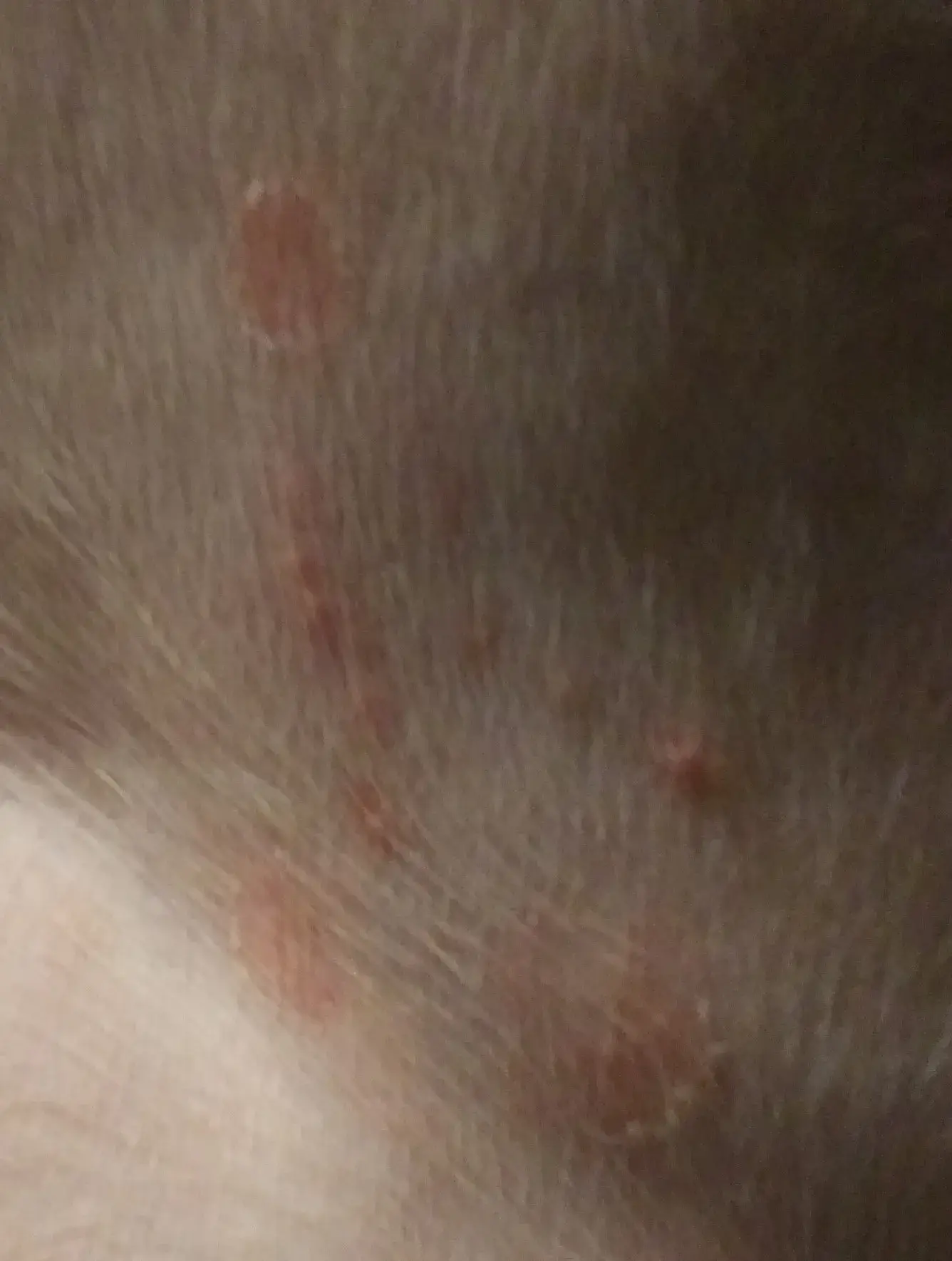
At first, it seemed minor, but it gradually changed in appearance and felt like it might contain fluid. My husband and I gently drained the sore, cleaned the area, and then left it alone. Over the next month, the spot grew to about the size of a golf ball on her abdomen. Despite the change, Millie stayed her normal, happy, live‑in‑the‑moment self… one of the many things we love about her.
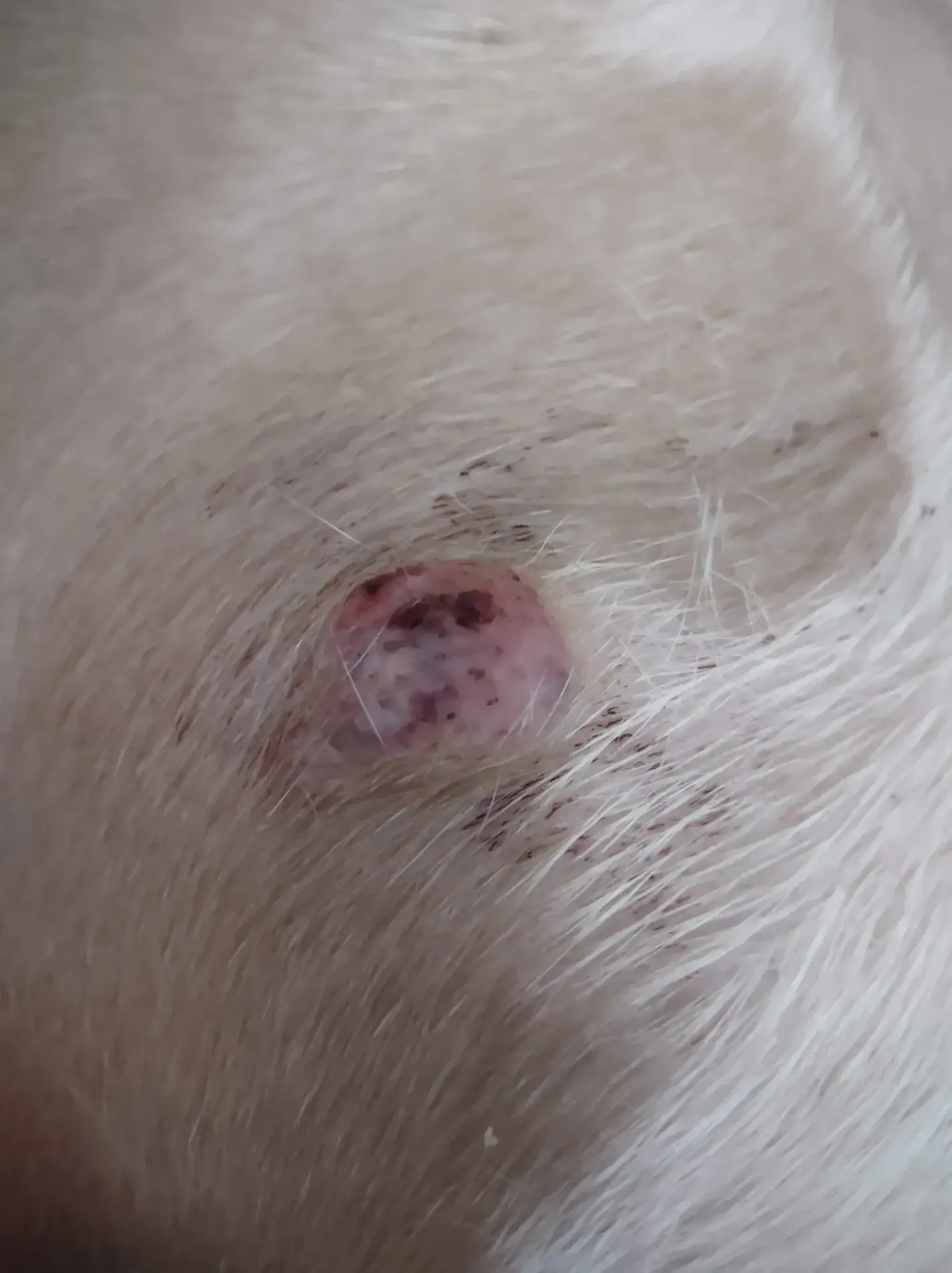
Surgery Day
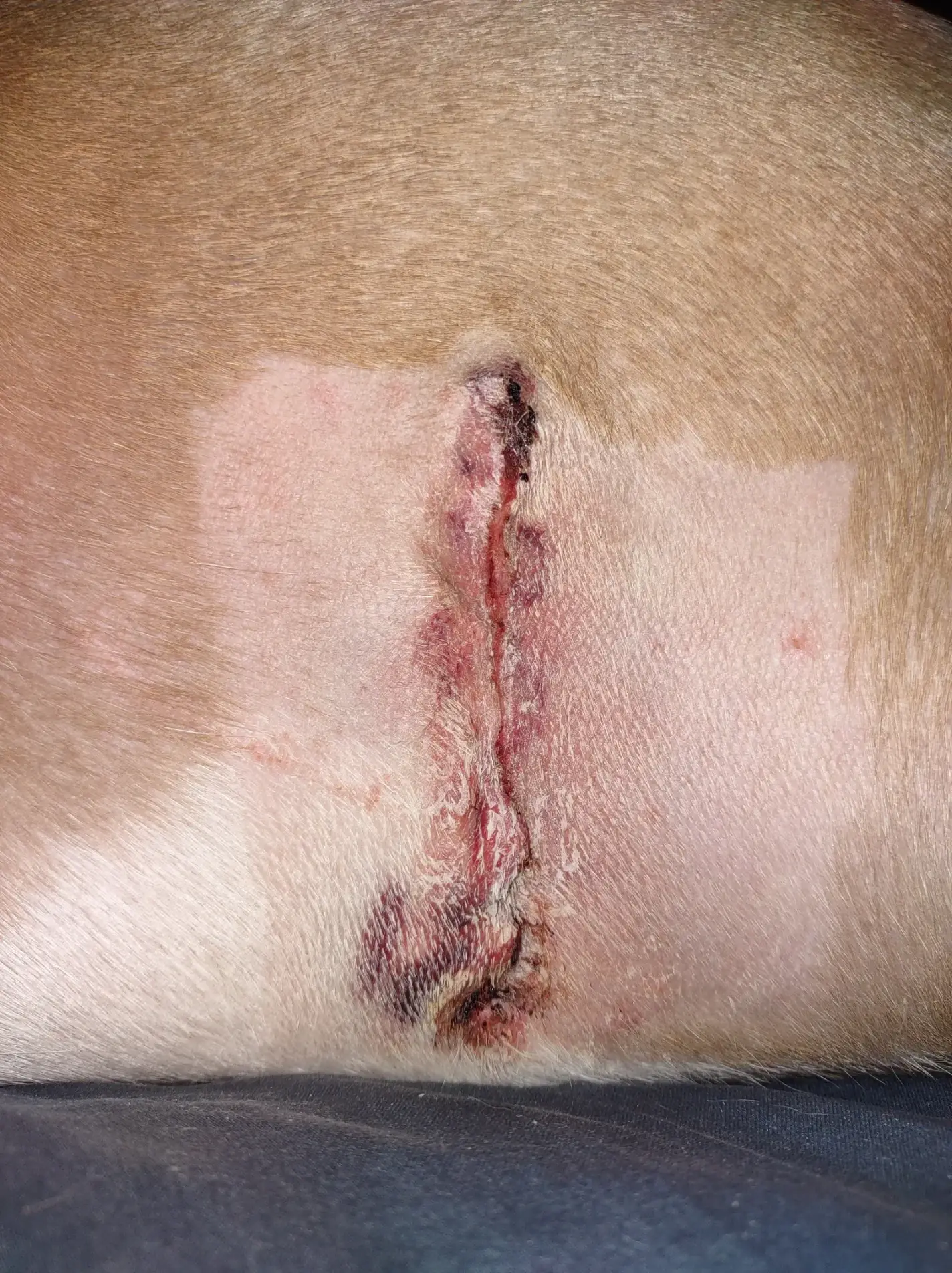
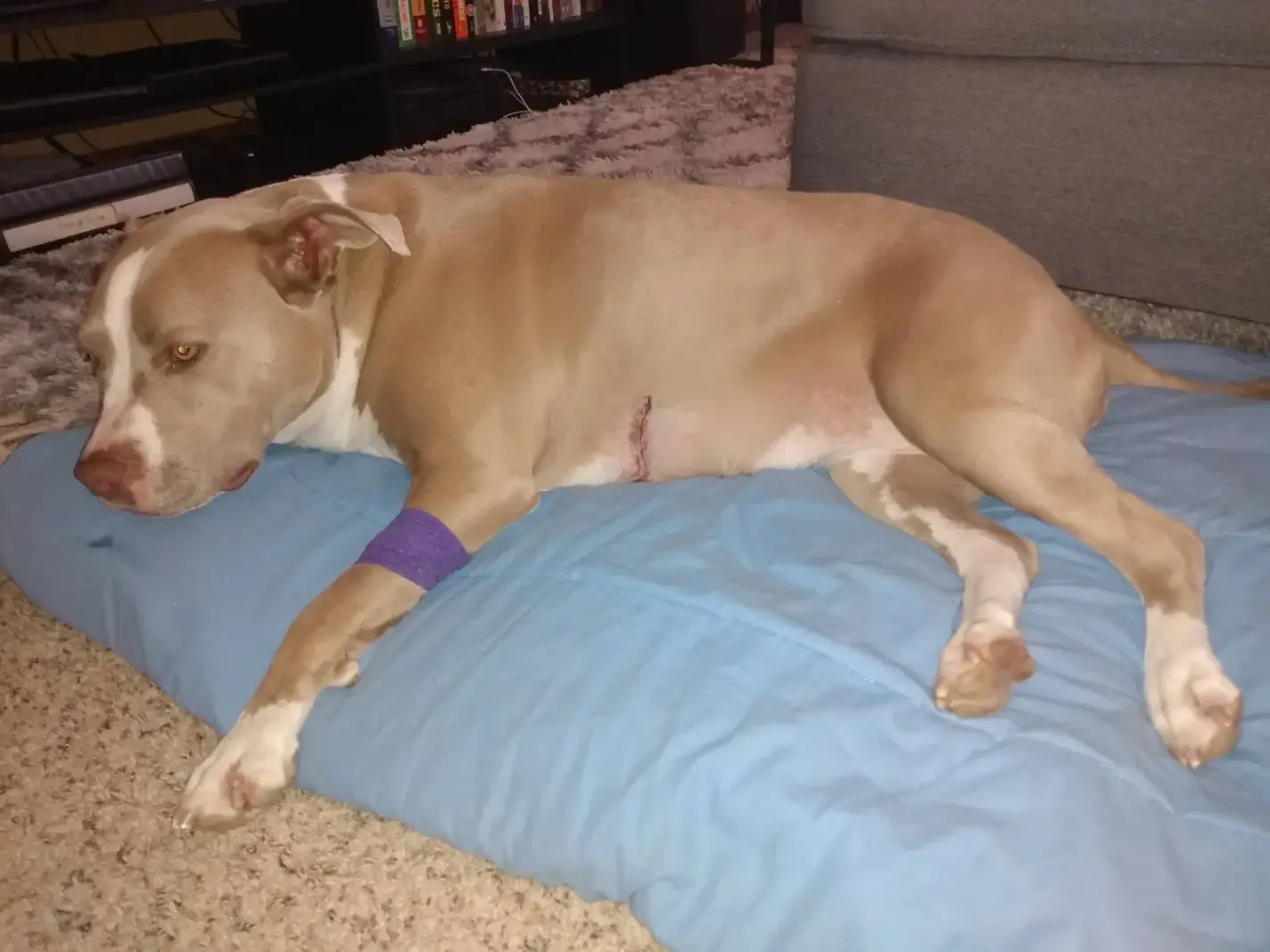
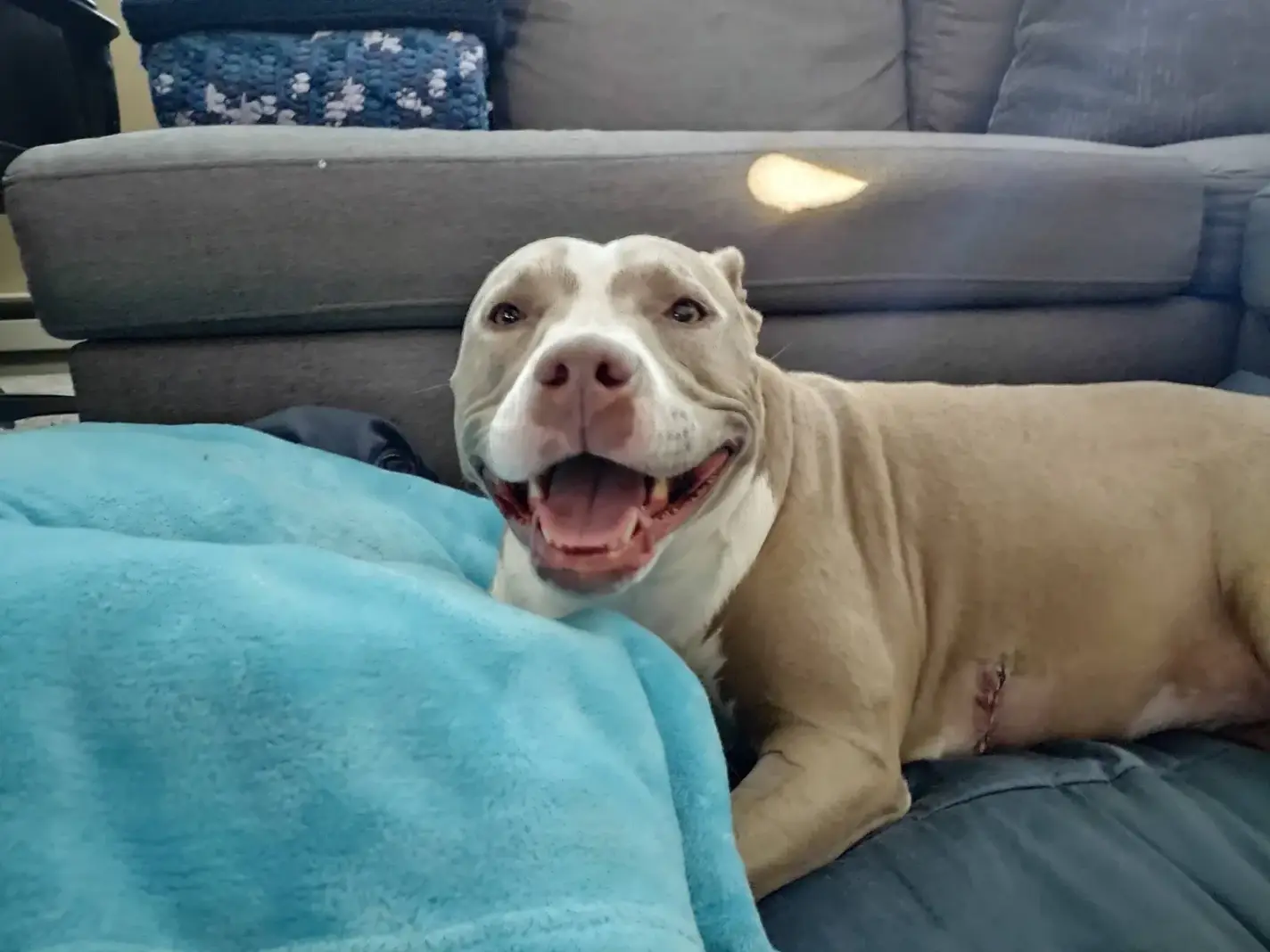
During the initial surgery with the first vet, Millie spent the entire day at the clinic. They removed the mass cell tumor completely, and while recovery was challenging, we got through it together.