 My Girl Millie
Comprehensive Guide to Dog CCL Tear Treatments, Surgical Options, and Regenerative Recovery
Not veterinary advice. This page shares our experience with Millie. It is not veterinary advice. Talk to your own vet about your dog's health and treatment.
A dog CCL tear (cranial cruciate ligament injury) is one of the most common causes of hind leg lameness, knee pain, and mobility loss in canines. The cranial cruciate ligament is a primary stabilizer within a dog’s stifle (knee) joint, serving a function similar to the anterior cruciate ligament (ACL) in humans.
When a dog CCL tear occurs—whether as a sudden traumatic rupture or a gradual degenerative partial tear—it results in joint instability, acute inflammation, severe pain, and progressive osteoarthritis. Treating a dog CCL tear effectively depends on several factors, including your pet’s weight, age, activity level, and the overall severity of the injury.
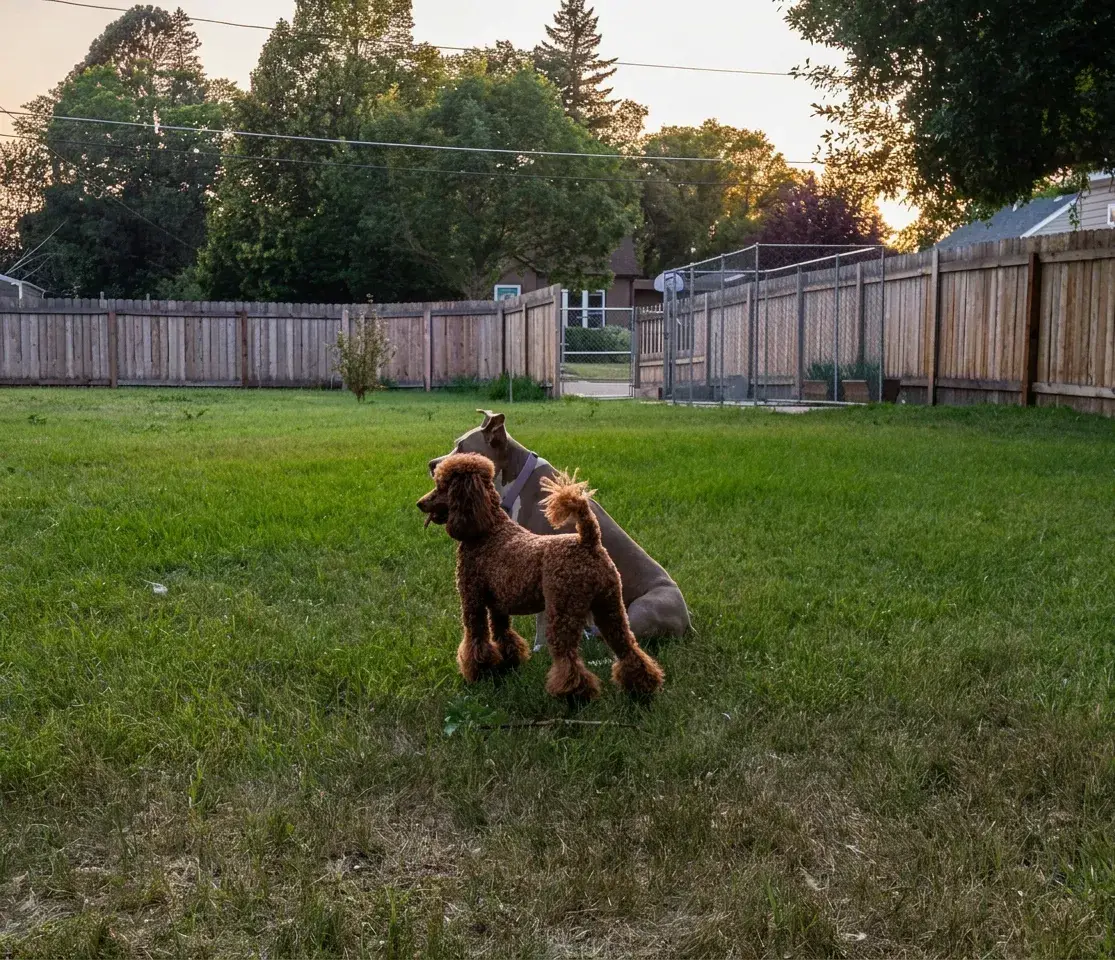
Millie pictured below - Unable to play due to her torn CCL
Advanced veterinary medicine now provides a spectrum of options, ranging from state-of-the-art biomechanical surgical procedures to non-surgical regenerative therapies aimed at relieving pain, restoring mobility, and slowing joint degeneration.
Direct Answer: What Is the Best Treatment Strategy for a Dog CCL Tear?
A Quick Guide to Dog CCL Tear Care:
- Surgical Options (TPLO, TTA, Extracapsular): Best for providing permanent biomechanical joint stability, especially in larger, younger, or active dogs.
- Regenerative Therapies (Stem Cell & PRP): Ideal non-surgical options or surgical adjuncts that reduce intra-articular inflammation, stimulate soft tissue repair, and protect against rapid osteoarthritis progression.
- Multi-Modal Rehabilitation: Combines hydrotherapy, physical therapy, weight control, and pain management to prevent muscle atrophy and speed up overall recovery.
Surgical Repair Options for a Dog CCL Tear
Surgical intervention remains a primary recommendation for many medium to large breeds experiencing a complete dog CCL tear due to the high mechanical stress placed on the stifle joint. Modern surgical procedures do not repair the torn ligament itself; instead, they either alter joint physics or provide external mechanical stabilization.
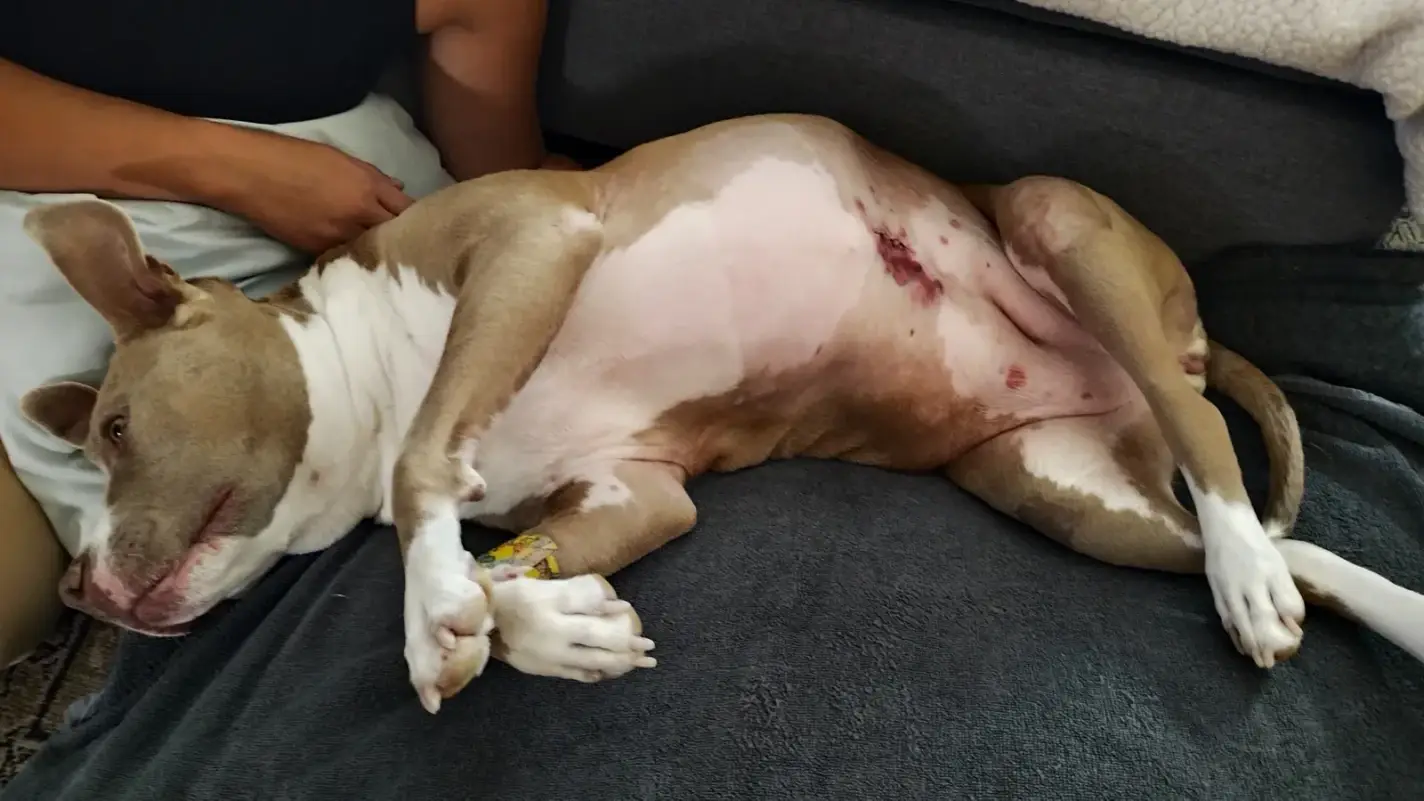
Read how we used Stem Cell & PRP therapy to avoid surgery.
| Procedure Type | How It Works | Ideal Candidate / Suitability | Key Benefits |
| TPLO (Tibial Plateau Leveling Osteotomy) | Cuts and rotates the top of the tibia (shin bone) to flatten the tibial slope, preventing the femur from sliding backward during weight-bearing. | Medium to extra-large breeds, athletic dogs, and dogs with steep tibial angles. | Provides permanent structural stability and eliminates the need for a functional CCL. |
| TTA (Tibial Tuberosity Advancement) | Moves the front part of the tibia forward to align the patellar tendon perpendicularly to the tibial plateau. | Large, active dogs with specific stifle angles and minimal preexisting osteoarthritis. | Rebalances joint forces during weight-bearing to stabilize the knee dynamically. |
| Extracapsular Repair (Lateral Suture) | Places a heavy-gauge synthetic suture outside the joint capsule to mimic the stabilization function of the original ligament. | Small-to-medium dogs (typically under 30–40 lbs) or less active senior pets. | Less invasive, lower surgical cost, and highly effective for lighter body weights. |
Non-Surgical & Regenerative Veterinary Care
Regenerative medicine has transformed modern veterinary care by offering cellular-level healing mechanisms. These therapies can serve as a primary non-surgical alternative for dogs that are not candidates for anesthesia or as a complementary treatment combined with surgery to accelerate recovery.
Stem Cell Therapy Process
Stem cell therapy utilizes autologous mesenchymal stem cells (MSCs) to repair damaged tissues and regulate immune-mediated inflammatory responses inside the joint.
- Step 1 (Harvesting): Under mild sedation or general anesthesia, a small, safe sample of adipose (fat) tissue is surgically collected from the dog’s groin or abdominal area by a trained veterinarian.
- Step 2 (Isolation): The tissue is processed in a specialized veterinary lab to isolate, purify, and concentrate millions of live, adult mesenchymal stem cells capable of tissue repair.
- Step 3 (Targeted Injection): The processed stem cells are injected directly into the injured knee joint under sterile conditions, utilizing ultrasound or radiographic guidance for pinpoint placement.
- Step 4 (Regeneration): The injected cells actively suppress localized joint inflammation, stimulate cartilage repair, rebuild damaged soft tissue, and significantly slow down secondary osteoarthritis progression.
Platelet-Rich Plasma (PRP) Therapy Process
- Step 1 (Blood Collection): A standard, minimally invasive blood draw is taken from the dog during a quick, stress-free routine outpatient visit to the veterinary clinic.
- Step 2 (Centrifugation): The blood sample is spun in a specialized medical centrifuge to precisely separate and concentrate the platelet-rich plasma layer from systemic red and white blood cells.
- Step 3 (Joint Delivery): The concentrated plasma—packed with high-density bioactive growth factors—is injected directly into the affected stifle (knee) joint cavity to initiate intra-articular repair.
- Step 4 (Healing Response): Growth factors recruit natural cellular repair mechanisms to the site of injury, accelerating soft tissue healing, soothing chronic joint effusion, and providing long-lasting targeted pain relief.
Multi-Modal Recovery Strategy for a Dog CCL Tear
Whether choosing surgical intervention or conservative regenerative treatment, a successful outcome for a dog CCL tear requires a comprehensive multi-modal recovery strategy. Addressing pain, weight, and muscle strength simultaneously protects the injured joint while safeguarding the uninjured hind leg from compensatory overload.
Canine Physical Rehabilitation
- Underwater Treadmill Hydrotherapy: Builds leg muscle mass while reducing weight-bearing pressure on the healing stifle joint.
- Cold Laser Therapy & Electrostimulation: Reduces deep tissue swelling, speeds healing, and prevents rapid quadriceps muscle atrophy.
- Passive Range-of-Motion (PROM) Exercises: Maintains joint flexibility, prevents stiffness, and aids early mobility restoration.
Targeted Pain Management & Anti-Inflammatory Care
- Incorporates non-steroidal anti-inflammatory drugs (NSAIDs) or alternative pain medications as prescribed by your veterinarian.
- Integrates high-quality joint supplements (such as Omega-3 fatty acids, glucosamine, and chondroitin) to support joint fluid health and decrease chronic inflammation.
Weight & Stress Reduction
- Implements strict, calorie-controlled weight management to minimize mechanical stress on the injured knee.
- Reduces the risk of a compensatory dog CCL tear in the opposite leg, as dogs carrying extra weight place severe mechanical stress on their healthy limb.
Long-Term Mobility Optimization
- Prevents permanent loss of flexibility and restores full extension and flexion of the stifle joint.
- Protects overall joint health to ensure a return to comfortable, long-term physical activity.
Frequently Asked Questions About Dog CCL Tears
Can a dog CCL tear heal on its own without surgery? A fully ruptured CCL cannot reattach or heal on its own because the intra-articular environment prevents direct ligament re-fixation. However, small or partial tears in select dogs may be managed non-surgically using strict rest, knee braces, physical rehabilitation, and regenerative treatments like Stem Cell and PRP therapy to stabilize the joint and relieve pain.
Why do dogs often tear the CCL in both legs? Because CCL tears are frequently caused by chronic joint degeneration rather than isolated accidents, the underlying mechanical stress or genetic predisposition affects both knees. Up to 40-60% of dogs that suffer a dog CCL tear in one leg will eventually experience a tear in the opposite leg due to increased weight-bearing compensation.
How long does recovery take after treatment for a dog CCL tear? Surgical recovery generally takes 8 to 12 weeks of restricted activity, controlled leash walks, and physical therapy. Non-surgical recovery using regenerative medicine and targeted rehab typically involves a 6- to 12-week rehabilitation protocol to build supporting muscle structure and allow tissue stabilization.
Dealing with a dog CCL tear can feel overwhelming, but modern veterinary medicine offers more options than ever before. Between surgeries like TPLO and TTA, cutting-edge therapies like Stem Cell and PRP, and targeted rehabilitation, your dog has an excellent path toward restoring pain-free mobility. Early intervention helps control joint pain, guards the opposite leg from excess strain, and protects long-term joint health. Work closely with your veterinarian or a veterinary orthopedic surgeon to build a tailored treatment plan for your dog’s age, weight, and lifestyle.
Dealing with a CCL tear is tough, and it’s completely normal to feel a bit lost right now. The great news is that between modern surgeries like TPLO, cutting-edge options like Stem Cell and PRP therapy, and targeted rehab, your dog has a fantastic shot at a full, happy recovery.
Starting treatment early makes a world of difference—it keeps joint pain in check, protects their good leg from extra strain, and wards off long-term arthritis. Every dog is unique, so work closely with a veterinary team to build a plan tailored to your pup’s specific age, weight, and favorite activities. When Millie tore her ligament, we chose to have her non-surgical stem cell procedure at Two Rivers Veterinary Hospital, and having the right team in our corner made all the difference. You’ve got this, and with dedicated care, your dog will be back to chasing balls and loving life in no time.