 My Girl Millie
Health
Ear Infections
Not veterinary advice. This page shares our experience with Millie. It is not veterinary advice. Talk to your own vet about your dog's health and treatment.
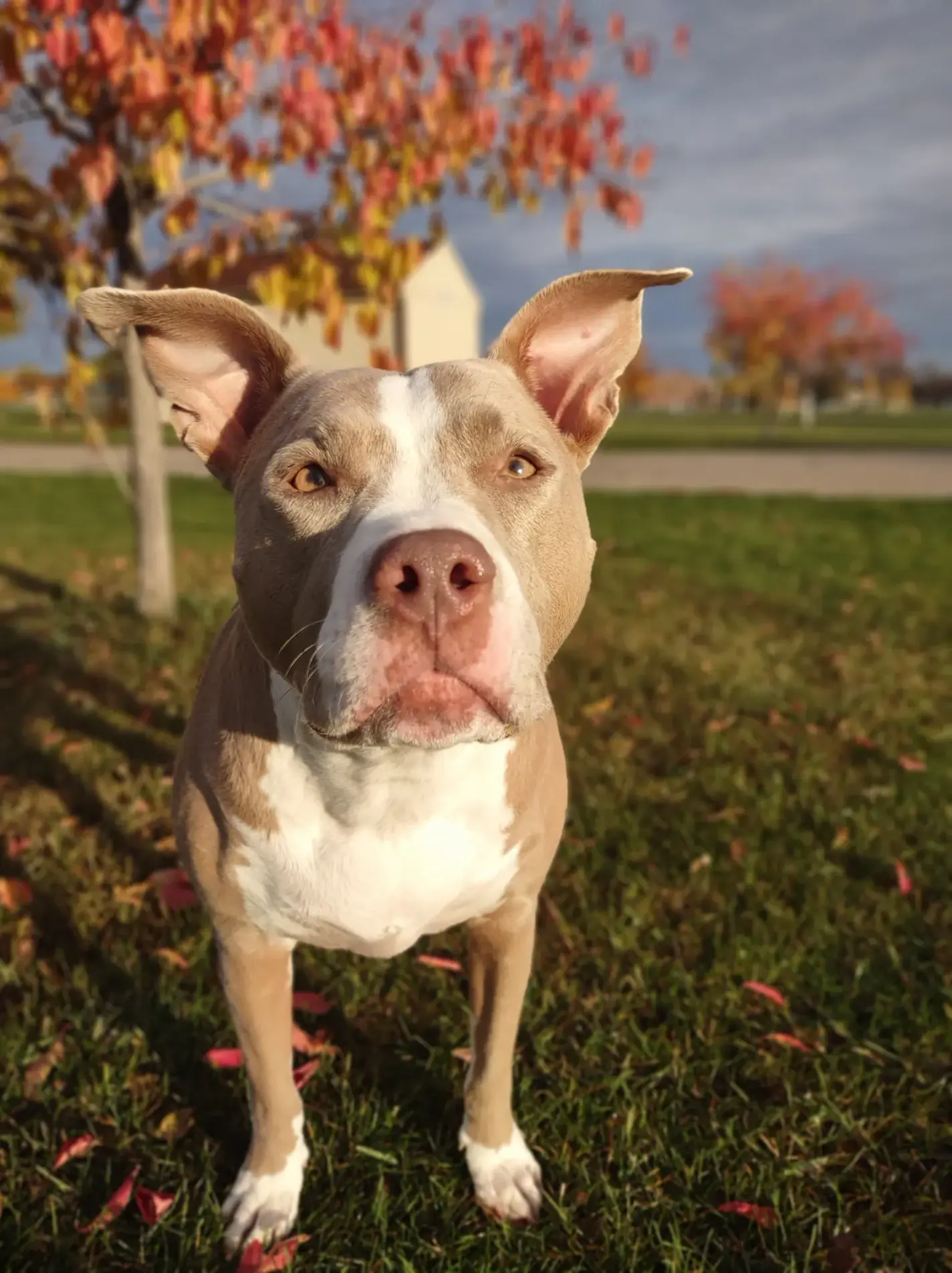
Dog ear infection Vs Allergies
Types of Ear Infections in Dogs
- Otitis Externa: Inflammation or infection of the external ear canal, which is the most common type.
- Otitis Media and Otitis Interna: These involve deeper parts of the ear and can result from chronic untreated otitis externa.
Common Causes
- Allergies: Food or environmental allergies can lead to ear infections.
- Excess Moisture: Dogs that swim frequently or have floppy ears may be prone to infections due to trapped moisture.
- Ear Mites: These can irritate the ear canal, leading to infection.
- Underlying Conditions: Hormonal imbalances or autoimmune diseases.
| Feature | Standard Ear Infection (Moisture/Debris) | Allergy-Driven Ear Infection (Allergic Otitis) |
|---|---|---|
| Frequency | Usually isolated or occasional | Chronic and recurring despite multiple treatments |
| Accompanying Signs | Localized ear discomfort, shaking head | Generalized itching, paw licking, red skin/belly |
| Underlying Trigger | Trapped water, ear anatomy, mites | Environmental (pollen, dust mites) or food |
| Long-term Fix | Topical flushes and medication | Identifying triggers, allergy testing, or diet change |
OTIC Treatments and Their Components
- Antibiotics: Target bacterial infections, with options depending on the type of bacteria identified.
- Antifungal Agents: Used to combat yeast infections, which are common in dog ears.
- Corticosteroids: Help reduce inflammation, swelling, and itching in the ear canal.
- Cleaning Solutions: Often prescribed to clear debris, wax, and discharge from the ear to make medication more effective.
How to Apply OTIC Treatment
- Clean the Ear: Use a vet-approved ear cleaner to remove wax and debris. Avoid using cotton swabs deep in the ear canal, as they can push debris further in.
- Administer Medication: Follow your veterinarian’s instructions for the dosage and duration. Gently lift the ear flap and apply the drops into the ear canal, massaging the base of the ear to distribute the medication evenly.
- Monitor for Reactions: Watch for signs of improvement or any adverse reactions, such as increased redness or discomfort, and report these to your veterinarian.
Physical Signs of Ear Infections
- Head shaking or tilting
- Scratching at the ears
- Red, inflamed ear canal
- Foul-smelling discharge
- Crusts or scabs in the ear
- Ear sensitivity or pain
Long-Term Management and Prevention
- Regular Ear Cleaning: Especially important for dogs with long ears or a history of infections.
- Diet Management: Addressing underlying allergies may prevent recurrent infections.
- Avoid Excessive Moisture: Dry your dog’s ears thoroughly after swimming or bathing.
Always consult a veterinarian to identify the underlying cause of the ear infection and to choose the most effective treatment plan.